Good Online Casino Websites 2026: Best Sites & How to Choose

October 12, 2026

Compare good online casino websites in 2026 — trusted reviews, safety checks, bonuses, payments, and a simple checklist to pick the right site.
What Makes Good Online Casino Websites?
Good online casino websites combine verifiable safety, fair games, smooth user experience and clear commercial terms. Evaluate sites against concrete criteria so you can spot trustworthy operators at a glance: licensing and jurisdiction; independent audits and RNG/RTP transparency; game-provider pedigree; payments and withdrawal policies; bonus fairness; mobile performance; customer support; and responsible-gambling tools.

Safety & fairness
Top sites publish their license (and regulator) on the footer — the most trusted jurisdictions (e.g., UKGC, MGA) carry stronger oversight. Look for RNG certification and third‑party audit reports or a public audited RTP page; these reduce player risk by confirming game randomness and expected return percentages rather than leaving outcomes opaque.
User experience
Site speed, intuitive navigation, accessibility and mobile responsiveness matter. A licensed site with poor UX is still safer than an unlicensed one, but friction (slow load times, broken menus) is a practical harm: it complicates betting, deposits and support access.
Economics & bonuses
Fair bonuses have transparent wagering requirements and reasonable max‑cashout limits. Red flags: huge “match” offers with 50x wagering or very small game weight disclosures. Check terms for withdrawal caps and identity‑check (KYC) triggers so you know when the site may pause funds.

Game quality
Reputable providers (NetEnt, Microgaming, Evolution, etc.) signal higher-quality RNG titles and licensed content; live dealer options from known studios are a plus. Diversity across slots, table games and live offerings improves value.
Payments, withdrawals & support
Good casinos list multiple payment methods with expected payout timelines: e-wallets often clear in 0–48 hours, cards/bank transfers 2–7 business days. Long unexplained withdrawal delays are a major red flag. Fast, knowledgeable support (chat and email) and clear T&Cs are essential.
Comparison | Pros | Cons |
|---|---|---|
Licensed vs Unlicensed | Regulatory oversight, audits | May have regional restrictions |
Boutique vs Multi‑brand | Boutique: curated UX; Multi‑brand: wider catalog | Boutique: smaller liquidity; Multi: generic UX |
Aggregator claims vs Direct operator | Direct: transparent terms; Aggregator: mixed operator claims | Aggregator: harder to verify operator responsibility |
Checklist (scan homepage): must-have — visible license, audit/RTP links, clear withdrawal info, multiple payment methods, live chat, responsible‑gambling tools. Nice-to-have — VIP program details, app, localized banking. Use this checklist to quickly separate genuinely good online casino websites from risky ones.
How to Verify License, Regulation & Fairness on Good Online Casino Websites
Start by locating obvious license cues on the casino site: a regulator logo (UKGC, MGA, Gibraltar, Curacao), a licence number and a live link to the regulator’s licence page — these are usually in the footer or “About” page. Click the regulator link or copy the licence number and search the regulator’s public register (for example, the UK Gambling Commission or Malta Gaming Authority registers) to confirm the operator name, licence status and any conditions or restrictions. A genuine entry will show the operator’s legal name, licence validity dates and often an ID you can copy into the regulator’s search box.
Understand regulator differences. UKGC and MGA require strong consumer protections: mandatory player-fund segregation or specific insolvency protections, strict anti‑money‑laundering controls and active enforcement. Curacao licences tend to offer broader operational and advertising flexibility but historically have fewer enforced consumer‑protection requirements; that means a Curacao licence alone is a weaker safety signal for player funds and dispute resolution.
Independent testing labs add another layer. Look for seals or downloadable certificates from eCOGRA, iTechLabs or GLI on the casino’s audit page. These reports typically include RNG certification, sampled game‑level RTP measurements and payout audits; certificates usually carry a report date and either a PDF link or a verification code you can check on the lab’s site. Note the limits: many audits are samples taken periodically, not continuous monitoring, so check the report date and sampling methodology.
For crypto games, “provably fair” means the game publishes cryptographic hashes of server seeds and lets you input a client seed to reproduce outcomes; verify by using the game’s verifier or a third‑party tool to confirm the hash matches the disclosed seed. Live dealer fairness is assessed differently: confirm the studio/provider (Evolution, Playtech) is reputable, check for RNG/shuffle certification for card games and review T&Cs about live‑stream integrity.
Practical verification steps: 1) Screenshot the casino footer showing the licence block and save it; 2) open the regulator’s public register and search the licence number—describe: you should see a matching legal name and “active” status; 3) download the lab PDF and note report date and sample size; 4) confirm listed payment processors and match them to corporate entities named in the licence. Beware fake seals, hidden licence pages or rapid licence‑hopping (operators switching jurisdictions after complaints). Regulators such as the UKGC and MGA have publicly suspended or revoked licences in recent enforcement actions, demonstrating licence checks are meaningful.
Final checklist before depositing:
Valid, active licence on a regulator public register
Current independent audit or certificate (with date and scope)
Clear, transparent T&Cs and complaints process
Verified payment processors and clear fund‑segregation policies
Provably‑fair verification for crypto games or certified RNG/live‑dealer providers

Payments, Withdrawals & Fees on Good Online Casino Websites: What to Expect
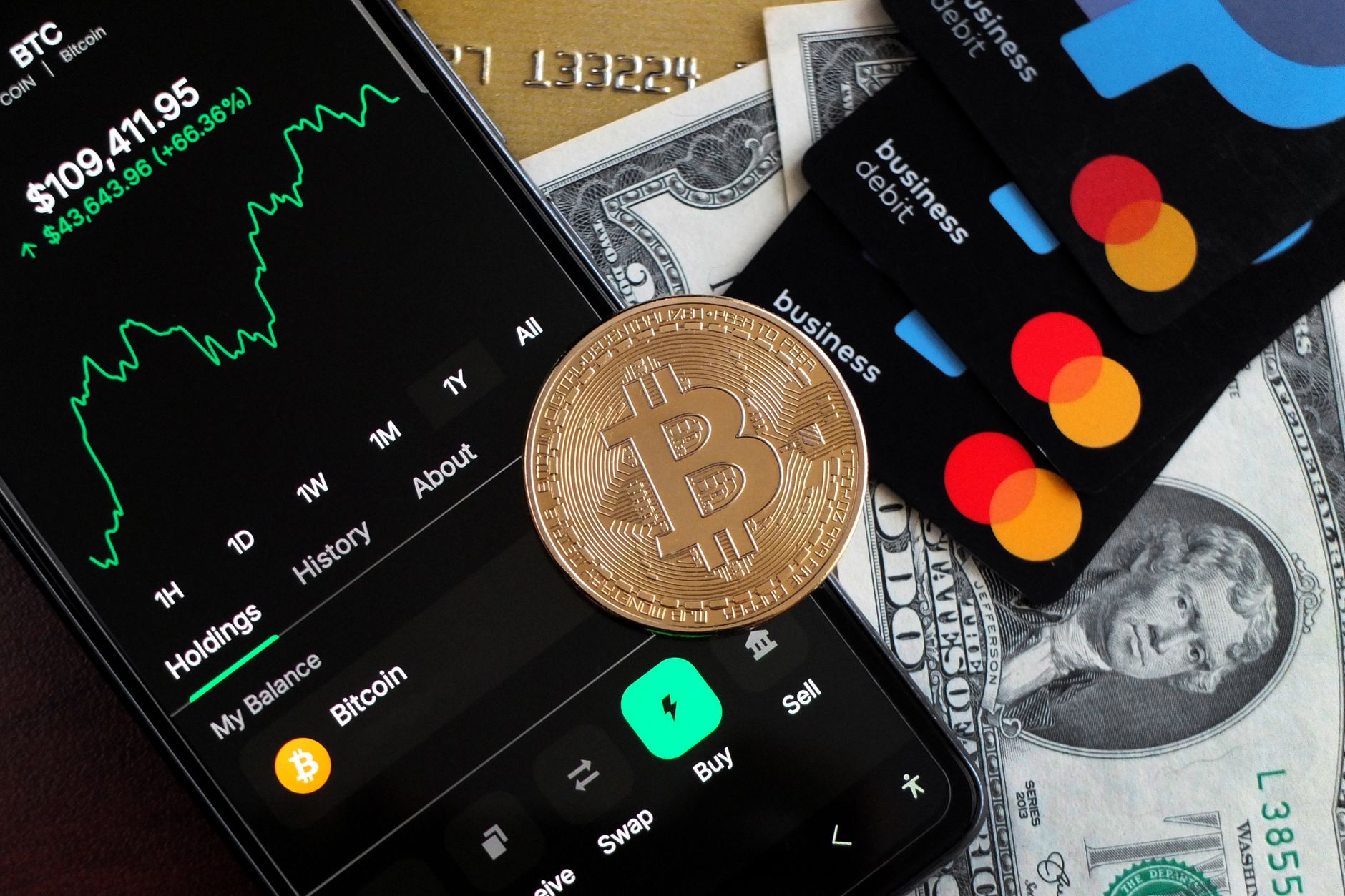
Understanding casino banking cuts down stress when you win. Common deposit and withdrawal channels include debit/credit cards (Visa, Mastercard), e‑wallets (PayPal, Neteller, Skrill), bank transfers (SEPA, international wire), instant bank options (Trustly, Interac, iDEAL), prepaid cards (Paysafecard) and cryptocurrencies (Bitcoin, Ethereum, USDT). Deposits are usually instant for cards, e‑wallets and instant bank options; withdrawals vary much more depending on the method and verification status.
Method | Deposit | Withdrawal (typical) | Common fees/notes |
|---|---|---|---|
E‑wallets | Instant | 0–24 hours | Low/no fee; fastest cashouts |
Cards (Visa/Mastercard) | Instant | 2–5 business days | Card issuer may charge; reversals possible |
Bank transfer (SEPA/wire) | Same day–2 days | 3–7 business days | Bank fees possible; higher limits |
Instant bank (Trustly, Interac, iDEAL) | Instant | Same day–48 hours | Often free; depends on provider |
Prepaid (Paysafecard) | Instant | Depends (often via voucher conversion) | May require alternate payout method |
Crypto | Minutes (on‑chain) | Minutes–hours (confirmations) | Network fees, volatility, conversion spreads |
KYC (identity verification) greatly affects timelines: casinos commonly request photo ID, proof of address (utility bill or bank statement) and a selfie. Prepare PDFs or JPGs ahead and ensure documents show full names, dates and addresses to avoid repeated requests. To avoid holds or chargebacks, always use payment methods in your name, keep deposit and withdrawal methods consistent, and don’t exceed max payout caps without contacting support.
Cryptocurrency specifics: payouts require on‑chain confirmations (site will state how many), and time depends on network congestion. Expect conversion fees if the casino pays in fiat or uses a custodian; volatility can change the fiat value between payout initiation and receipt. Some players value crypto for lower KYC and provably fair options, but full anonymity is increasingly limited by AML rules.
Sample $5,000 payout: e‑wallet — cleared in 0–24 hours with minimal fee; card — processed by casino then 2–5 business days from issuer (possible 1–2 day pending at casino); bank transfer — 3–7 business days and may incur receiving bank/wire fees. Common delays include unmet bonus wagering, partial payments due to max caps, or AML reviews; contact support and supply requested KYC promptly.
Checklist to avoid holdups:
Have valid ID, address proof and a selfie ready.
Use payment methods in your legal name.
Read withdrawal policy for processing, max/min, and fees before depositing.
Avoid depositing with bonus if you plan immediate withdrawal (bonus wagering can delay payouts).
Keep records of transactions in case of disputes.
Recommendations by player type: casual players — favor e‑wallets or instant bank options for speed and low fuss; high rollers — prioritize sites with high payout caps, fast bank/wire handling and clear AML processes; crypto users — choose casinos with transparent on‑chain payout rules, low conversion spreads and clear confirmation requirements.
Game Selection, Software Providers & RTP on Good Online Casino Websites
Evaluating a casino’s game portfolio takes more than counting titles. Start by parsing categories: online slots (video slots with cinematic features, classic 3-reel, and mechanic-driven Megaways), table games (multiple blackjack, roulette and baccarat variants), live dealer tables, video poker, specialty games (keno, scratchcards, virtual sports) and jackpot/lottery games. Slots dominate variety, but quality and variety within each category matter—are there high-limit roulettes, multiple blackjack rulesets, and branded or feature-rich video slots?
Software providers are the clearest quality signal. Evolution and Pragmatic Play lead live dealer production—studio lighting, dealer training and streaming stability differ noticeably. NetEnt and Play'n GO are known for innovative, high-production video slots and smooth in-browser HTML5 play; Microgaming historically powers large progressive networks (e.g., Mega-style pooled jackpots) and broad classic libraries; Yggdrasil focuses on visually bold, math-driven titles. A casino filled with premium providers usually means consistent UX and audited RNGs; a site with dozens of tiny studios can offer novelty but variable quality.
RTP (return to player) and house edge are central. RTP is the average percentage returned to players long-term; a 96% RTP implies a 4% house edge. Practically: at $1 per spin across 10,000 spins you’d expect $9,600 returned (a $400 loss on average). Volatility (variance) describes payout distribution: low volatility yields frequent small wins, high volatility yields rare large wins. Two games with identical 96% RTP can behave very differently—high-volatility slots need a larger bankroll to weather losing streaks, while low-variance blackjack strategies suit shorter bankrolls.
Progressive jackpots come in local vs pooled (networked). Local progressives grow only from that casino’s pool; pooled progressives (common with Microgaming networks) aggregate stakes across many sites for much larger prizes. For crypto and provably fair games, fairness is verifiable: a server seed hash, client seed and nonce combine to generate outcomes that players can recompute on-chain or via the provider’s verifier; some games use VRF or blockchain randomness for transparency.
Watch for red flags: fake game lists, swapped providers where logos differ from actual provider code, or misreported RTPs. Test quality by using demo mode, checking provider RTP pages, and confirming third-party audit certificates (eCOGRA, iTechLabs). Start with small sessions to sample latency and UI in live tables, and read provider pages for volatility and RTP details.
Choose a casino by match: low-variance blackjack players favor sites with multiple classic tables and reliable rule disclosures; high-variance slot hunters want large progressive networks and innovative providers. Key terms to know:
RTP — Return to Player, long-term payout percentage.
House edge — The casino’s expected profit percentage (100% – RTP).
Volatility/Variance — How wins are distributed over time.
Progressive jackpot — A prize that grows with play; pooled vs local models.
Provably fair — Blockchain/verifiable randomness for crypto games.
RNG audit — Independent testing of randomness and fairness.
Bonuses, Wagering Requirements & Promotion Traps on Good Online Casino Websites
Online casinos offer a predictable menu of promotions: welcome/package bonuses (matched deposits), no-deposit bonuses, free spins, reloads, cashback, VIP/loyalty rewards and tournaments. Value is delivered in different ways — cash bonuses add withdrawable balance once playthrough is met, no‑deposit and free spins give risk-free play opportunities, cashback refunds a portion of net losses, and VIP programs convert play into points or tier benefits. Each type carries common restrictions: eligible games (slots often 100% contribution, table games 0–10%), max‑bet limits during playthrough (e.g., $5 or 10% of bonus), differing contribution weightings, time limits to clear wagering, and sometimes maximum cashout caps on bonus winnings.
Understanding realistic expected value (EV) means combining bonus size (B), wagering requirement (x), game contribution (c), game RTP (r) and any max‑cashout (M). Required actual wagering W = B * x / c. Expected wagering loss = W * (1 - r). For a cash bonus the simple EV estimate = min(M, B - W*(1 - r)). Example: a $200 bonus with 30x wagering and a 5% game contribution (playing a game that only counts 5% toward rollover) gives W = 200*30/0.05 = 120,000 in bets; expected loss at RTP 96% is 120,000*(1-0.96)=4,800, so EV ≈ 200 - 4,800 = -$4,600 — a large negative. Contrast a $50 bonus at 10x with 100% contribution and RTP 96%: W = 50*10/1 = 500; loss = 500*0.04 = $20; EV ≈ 50 - 20 = +$30.
Know the difference: a cash bonus increases withdrawable balance after playthrough, while a sticky bonus (non‑withdrawable) only provides play credit — you cannot withdraw the bonus itself, only any winnings generated. Sticky bonuses therefore have far lower practical value. Max‑bet rules mean if your stake exceeds the limit while clearing the bonus the casino can void winnings. Contribution rates vary by game type (slots highest, live casino and blackjack often lowest), and most offers must be cleared within days or weeks.
Promotional traps to watch for: very large percentage bonuses with absurdly high wagering, ambiguous T&Cs that permit withheld withdrawals, loyalty schemes with unobtainable tier targets, and affiliate pages that miscalculate net value. Practical advice: casual players and free‑spin hunters can profit from small no‑deposit offers and low‑WR free spins; value seekers should target small bonuses with low WR and high contribution; if fast withdrawals matter, bypass bonuses entirely. High‑rollers can often negotiate bespoke reloads or adjusted WRs through VIP managers; always get negotiated terms in writing.
Edge cases: bonus stacking is sometimes forbidden and can trigger abuse flags; country restrictions may remove offers entirely; refunds or chargebacks frequently void active bonuses. Also be aware of automated abuse detection — patterns of play that exploit soft rules will be penalized.
Quick calculator formula: W = B * x / c; Expected loss = W * (1 - r); Cash bonus EV ≈ min(M, B - Expected loss). Below is a table of example scenarios and their approximate EVs.
Scenario | Params | W (required bets) | Expected loss | Approx. EV (net) |
|---|---|---|---|---|
Large low‑contrib welcome | B=$200, x=30, c=0.05, r=96% | $120,000 | $4,800 | −$4,600 (clearly negative) |
Small fair bonus | B=$50, x=10, c=1.0, r=96% | $500 | $20 | +$30 (good value) |
Free spins | 50 FS @ $0.10, RTP=96% (no extra WR) | n/a | Expected return ≈ $4.80 | +$4.80 (tiny but risk‑free) |
Use the formula above before accepting any offer: if EV is negative or you hit caps/time constraints, skip the bonus or negotiate better terms.
Security, Privacy & Responsible Gambling on Good Online Casino Websites
Good online casino websites must treat security, privacy and player safety as core features, not extras. Encryption and transport security should be obvious: a valid TLS/SSL certificate (the browser padlock) protecting all pages that handle logins, payments and personal data. Look for modern TLS configurations and up‑to‑date security headers in the site’s privacy/security documentation. Card handling must follow PCI‑DSS rules — reputable casinos use certified payment processors or tokenisation so card numbers never sit on the casino’s servers.
Data storage and privacy practices should name where data is stored, retention periods, and legal bases under GDPR or CCPA. Regulators expect data‑breach notification within 72 hours under GDPR, and fines can reach the higher of €20M or 4% of global turnover for serious violations. Casinos operating in regulated markets commonly describe how long they keep identity checks, transactional logs and marketing preferences, and give clear instructions to request access, correction or deletion of personal data.
Account protections are essential: enforceable strong‑password rules, mandatory or optional two‑factor authentication (2FA), device and location login alerts, and automatic logout after inactivity. Many operators legally segregate player funds into trust or ring‑fenced accounts, or maintain insurance/backstop arrangements; this reduces loss risk if the operator becomes insolvent, but exact protections vary by regulator and should be listed in licence documents.
Responsible gambling tools must be easy to find: deposit and loss limits, session reminders and reality checks, self‑exclusion schemes (national programmes like GamStop and operator‑level exclusions), cool‑off periods, and parental controls. Contact details for addiction support (BeGambleAware, GamCare or local services) should be prominent.
Quick security checks: confirm the HTTPS padlock, read the privacy policy for retention and processors, and verify the payment provider. Watch for social engineering and phishing (unexpected password resets, links that don’t match the domain) and signs of account takeover (unfamiliar withdrawals, changed contact details). If you suspect fraud, change passwords, enable 2FA, contact the operator immediately and, if money has moved, contact your bank and local regulator. As an action plan: enable 2FA, set limits, save support contacts for gambling‑help organisations, review the privacy policy, and keep evidence of any suspicious activity to escalate with the operator or regulator.
Mobile, UX & Customer Support on Good Online Casino Websites: Real-World Service Quality
Mobile performance and responsive, helpful customer support are among the clearest quality differentiators for good online casino websites. Players judge a site not only by its game library, but by how smoothly it runs on phones and how quickly human help resolves money or account issues. Mobile experience and support affect retention, limits on play, and the perceived fairness of the operator.
Native apps vs responsive web apps: native apps generally deliver smoother animations and slightly faster load times, but they require installation, app-store approval and regular updates that can introduce friction. Responsive web apps avoid installation hurdles and simplify cross-device parity, though they rely on the browser for performance and have limited offline-notification capabilities. App-store policies can delay critical updates; responsive sites let operators push fixes instantly. For many players, the tradeoff comes down to small performance gains vs friction and update cadence.
UX Benchmark | Why it matters / Ideal |
|---|---|
Initial load time | Under 3 seconds on mobile networks |
Clarity of navigation | Menus and wallet always accessible with clear labels |
Search & filtering | Filter by provider, volatility, jackpot; results appear instantly |
Tournament & lobby organization | Dedicated lobbies with live status and leaderboards |
Accessibility | High contrast, keyboard navigation, ARIA labels |
Language & currency options | Local languages and preferred fiat/crypto displayed |
Deposit/withdrawal flow | Simple steps, clear fees and expected times |
Customer support channels typically include live chat, email, phone, and social media. Expected response windows: live chat under 3–5 minutes, email within 24 hours, phone immediate when staffed, and disputes/exceptions acknowledged within 48 hours. Multilingual competence and 24/7 coverage matter for international players; escalation paths should be explicit (supervisor, formal complaints procedure, regulator contact details). Common complaint topics include delayed withdrawals, verification holds and bonus-term disputes; average industry figures often show live-chat median first-reply times of 1–4 minutes and email averages around 12–24 hours.
Practical tests to run: 1) Send a short live-chat message like “I’m checking payout times for a €20 withdrawal — what’s the ETA and any fees?”—measure first response, accuracy and whether a human or bot answers. 2) Make a small deposit and small withdrawal to confirm processing time, fees, and KYC steps. 3) File a simple dispute (e.g., mistaken bonus credit) and track acknowledgement and resolution timeline; a prompt operator should acknowledge within 48 hours and provide clear next steps.
Examples: a strong support interaction: chat acknowledges you in <2 minutes, agent names themselves, cites policy, offers expected timelines and escalation contact. A weak interaction: bot-only replies that loop, no human handoff after repeated clarifications, and unclear or contradictory timelines. Edge cases to watch: regionally restricted support hours, bot-only chat in smaller jurisdictions, holiday staffing causing longer waits, and app-store approval delays for updates.
Casual players: Prioritize responsive web app, fast load times, simple deposit/withdrawal flows, and reliable 24/7 live chat.
High rollers: Native app or high-performance web app, priority support with a dedicated manager, fast fiat/crypto withdrawals and clear escalation paths.
International/multilingual players: Multi-currency support, localized language interfaces, and multilingual 24/7 support with documented complaint/regulator contacts.
How to Choose the Best Good Online Casino Websites for You
Start with a strict pre-selection filter: only consider casinos that are licensed in a recognized jurisdiction, publish independent audit or RNG certification, and offer reasonable banking options for your region (deposits and withdrawals you can actually use). If a site fails any of these, remove it from consideration immediately.
Use a weighted criteria model to compare finalists. Default weights: safety 30%, banking 20%, games 15%, bonuses 10%, support 10%, UX/mobile 10%, VIP/limits 5%. Score each criterion 0–10 and multiply by the weight to get a composite score. Adjust these weights to match your priorities—for example, raise banking and VIP weight for a high roller, or boost games and bonuses for a casual slots player.
Match example personas to weights: a casual slots player cares about speed and free spins (boost bonuses and UX); a table/advantage player prioritizes high-RTP tables and transparent rules (boost safety and games); a high roller needs high limits and fast VIP support (boost VIP and support); a crypto user values low fees and provably fair systems (boost banking and safety with crypto-specific checks); a mobile-first traveler prioritizes responsive sites and a solid app (boost UX/mobile).
Example selection: from five shortlisted casinos (A–E) you score each across the seven categories and apply weights. Sample totals: Casino A = 7.0, Casino B = 8.2 (best for high rollers), Casino C = 7.7 (slots-friendly), Casino D = 6.8 (crypto-focused but weaker overall), Casino E = 7.3 (mobile-first). Use the highest weighted score as your pick, but reweight if your priorities differ.
Quick worksheet | |
Region | [__________] |
Monthly budget | [__________] |
Preferred games | [__________] |
Acceptable payment methods | [__________] |
Key dealbreakers | [__________] |
Red flags: no visible license or audits, extremely slow or missing withdrawals, evasive or contradictory T&Cs, insecure connection, or pressure to use nonstandard payment rails. Validate your final pick with a small trial deposit, request and confirm a test withdrawal, and have a short live chat to assess support quality. If a site blocks your jurisdiction or forces VPN use, don’t proceed—VPNs often violate terms and can void wins. Also avoid sites that encourage multi-accounting; multi-account bans are common and will cost you.
Follow-up: perform daily bankroll checks, keep screenshots of transactions and communications, escalate unresolved disputes first to the casino, then to the licensing regulator if the casino fails to respond within a stated timeframe (usually 14–30 days).
Confirm license & audits. Outcome example: casual slots — pass.
Check banking options & do a test deposit. Outcome: high roller — fast payout confirmed.
Score sites with your weighted model. Outcome: table player — highest RTP site ranked top.
Test support with a withdrawal query. Outcome: crypto user — support confirmed crypto payouts.
Decide and monitor bankroll daily. Outcome: mobile traveler — smooth mobile play verified.
Top Trusted Good Online Casino Websites (2026) — How They Compare
Our ranking methodology is built on measurable, verifiable attributes rather than brand hype. We evaluate transparency, licensing and regulator checks, independent audit presence, banking options, RTP transparency, software provider mix, support responsiveness, mobile UX, and complaint history. Each candidate site is checked for an active license and recent audit reports, a clear banking page, published RTPs or game-level return-to-player documentation, and an accessible complaints log or dispute-resolution route. This list is illustrative; readers must re-run verification steps for their own country and jurisdiction before depositing funds.
Suggested framework for producing a data-driven top 10 uses these core metrics: regulator check (valid license and jurisdiction), audit presence (most recent audit date and auditor), payout speed median, average review sentiment across trusted sources, provider diversity score, and a bonus fairness score that accounts for wagering terms and max win caps. Weight each metric to reflect user priorities — e.g., safety-first players put regulator and audit scores highest; casual players may value mobile UX and bonus fairness more.
Top operators typically differ by business model. Large multi-jurisdiction operators score high on provider variety and VIP loyalty programs but may impose regional restrictions. Niche crypto casinos often offer stronger anonymity and provably fair options yet provide fewer fiat banking rails and limited customer support hours.
Site | License | Major providers | Payment highlights | Typical withdrawal times | Bonus fairness score | Mobile experience | Support rating | Notable restrictions |
|---|---|---|---|---|---|---|---|---|
Operator A (sample) | Malta, UK | NetEnt, Evolution, Pragmatic | Fiat & crypto; instant deposits | 12–48 hrs median | 8/10 | Responsive PWA & app | 4.5/5 | No US, limited FR |
Follow-ups: check regional differences and country blocks, be wary of affiliate pages that inflate bonuses, and monitor regulator announcements, audit renewals, and recent payout complaints to keep rankings current. If a top-ranked site shows issues, pause deposits, verify regulator notices, and escalate complaints to the regulator if unresolved. Common user questions: re-check a casino's status every 3–6 months or immediately after a regulatory news item; if you lodge a complaint, keep timestamps/screenshots, follow the operator's dispute steps, and then contact the regulator or payment provider if unresolved.
Conclusion — Your Short Checklist and Next Steps
By now you should be able to recognize what separates good online casino websites from risky ones. The non‑negotiable safety checks are simple: a verified regulatory license, a current third‑party audit (or public RTP/ fairness pages), transparent banking and withdrawal policies, reasonable bonus terms that don’t trap you, and responsive customer support. Treat those five criteria as the minimum gatekeepers before you sign up or deposit.
Prioritized checklist (use this before you commit):
Verify the casino’s license and regulator on its site and on the regulator’s site.
Check for recent third‑party audits and published RTP/fairness pages.
Read banking and withdrawal terms—look for limits, fees, and processing times.
Test support with a simple question to confirm response times and tone.
Deposit a small test amount and complete a withdrawal to confirm the flow.
Enable account security: strong password, email verification, and 2FA where available.
Scan bonus terms for wagering requirements and excluded games before claiming.
Quick next steps based on your intent: if you’re ready to deposit, follow the checklist top to bottom. If you’re comparing sites, use a weighted decision matrix that scores license, audits, banking, bonuses, and support. If you need to research locally, check your national regulator for approved operators and any country blocks. If you’re worried about gambling harm or need help, contact your local responsible gambling organization or helpline.
Common follow‑up FAQs
How do I escalate unpaid withdrawals? First contact support and save records; if unresolved, file a dispute with the site’s complaints team, then escalate to the regulator listed on the license page. When should I report to a regulator? Report after you have documented attempts with the casino and if the operator fails to respond within the timeframe the regulator specifies. How can I switch sites safely? Close outstanding wagers, withdraw remaining funds, change passwords, and move to a licensed site after running the checklist.
Stay vigilant: monitor news, renew these checks annually or after any major win, and bookmark this checklist and the comparison tables for quick reference.